
 Ep 1Coming soon
Short cartoons for ages 3 to 7. Black children see their skin, hair, names and heritage celebrated, and every child learns to be a kind friend.
Coming soonThe Shades of Brilliant taster
Start here
Watch the taster
Songs, colours and brave words from the series, in under three minutes. A good one to watch together before you choose an episode.
- 8 episodes
- Ages 3–7
- 5 friends
Watch
Episodes by age
Start with your child’s age. Every episode has questions to talk about and something to try at home.
Ages 3–4 · Nursery
Short and sing-along, with lots of repetition and no unkind moments on screen.
Ep 1Coming soon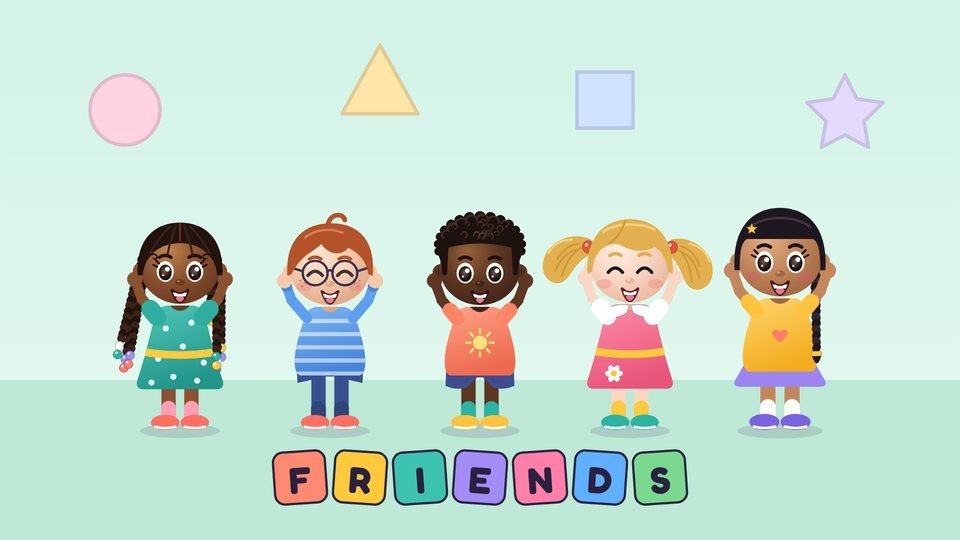 Ep 2Coming soon
All Different, All Friends
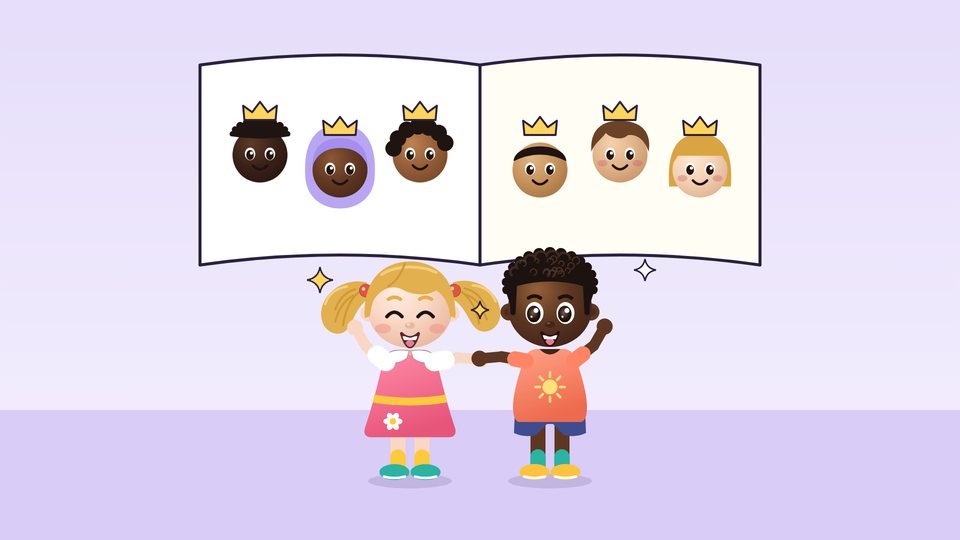
Five friends notice how they look different, then build something together.
- Friendship
- With Poppy
Age 5 · Reception
Short stories with a small problem and a happy fix, and new words to learn.
 Ep 3Coming soon
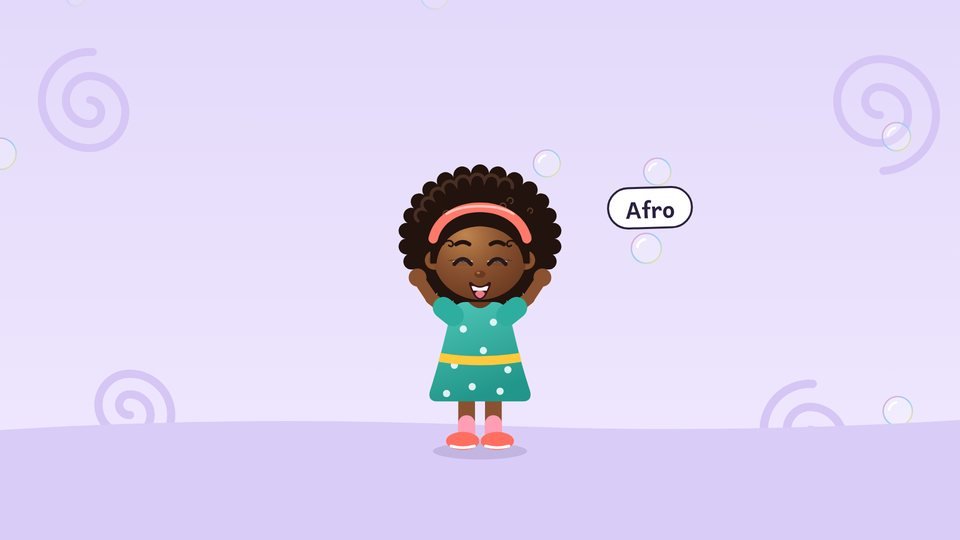
My Hair
Ngozi shows off her hair, and says “No, thank you” when someone wants to touch it.
- Confidence
 Ep 4Coming soon
 Ep 7Coming soon
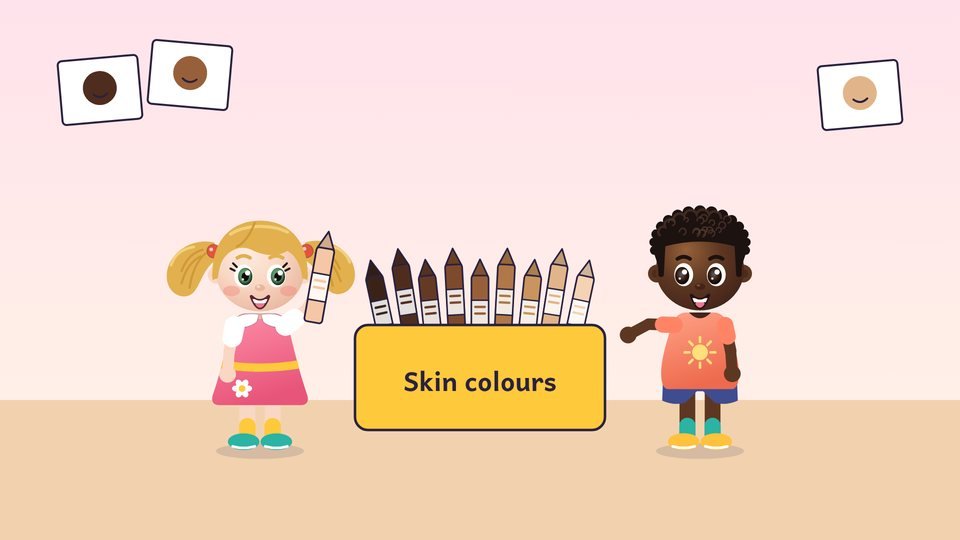
Which Skin Colour?
Poppy asks for “the skin colour crayon”. But which one is it?
- Friendship
- With Poppy
Ages 6–7 · Years 1–2
Real problems, speech bubbles and what to do, including when someone is unkind.
 Ep 5Coming soon
 Ep 6Coming soon
 Ep 8Coming soon
Just a Different Shade
“White skin isn’t better than Black skin. It’s just a different shade.”
- Friendship
- With Poppy
The friends
Meet the friends
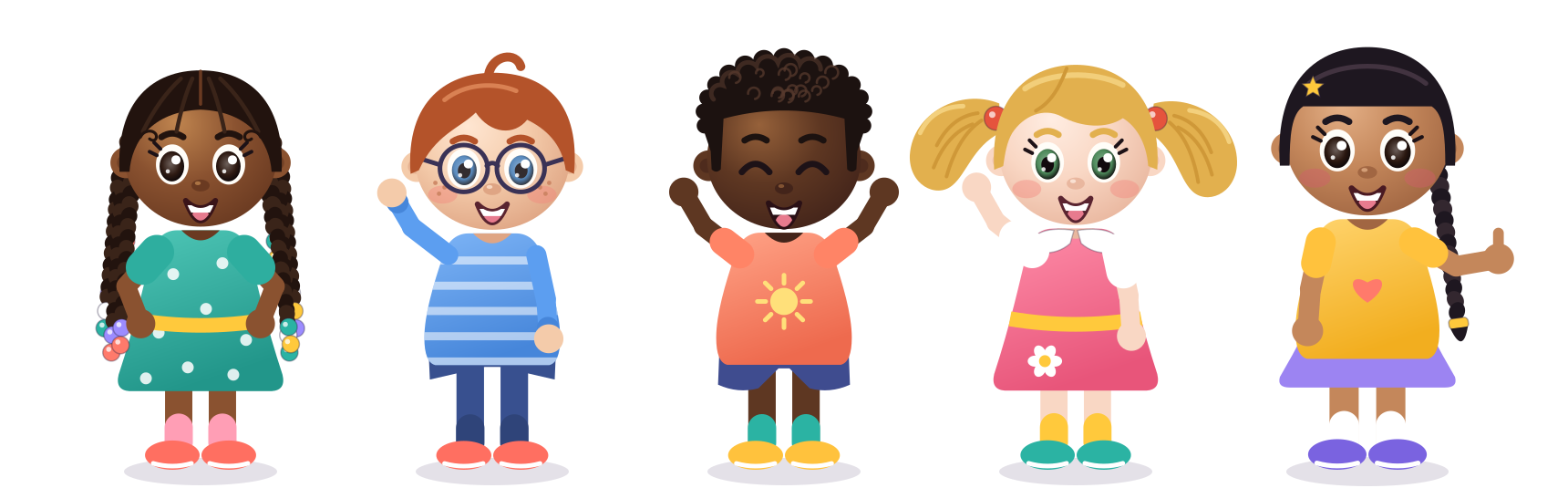
Five friends, five shades, one big friendship.
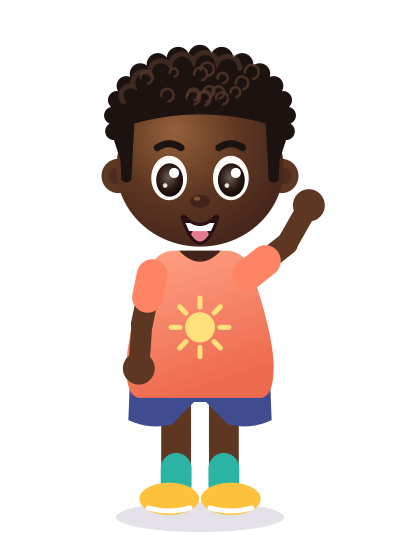
Esiri
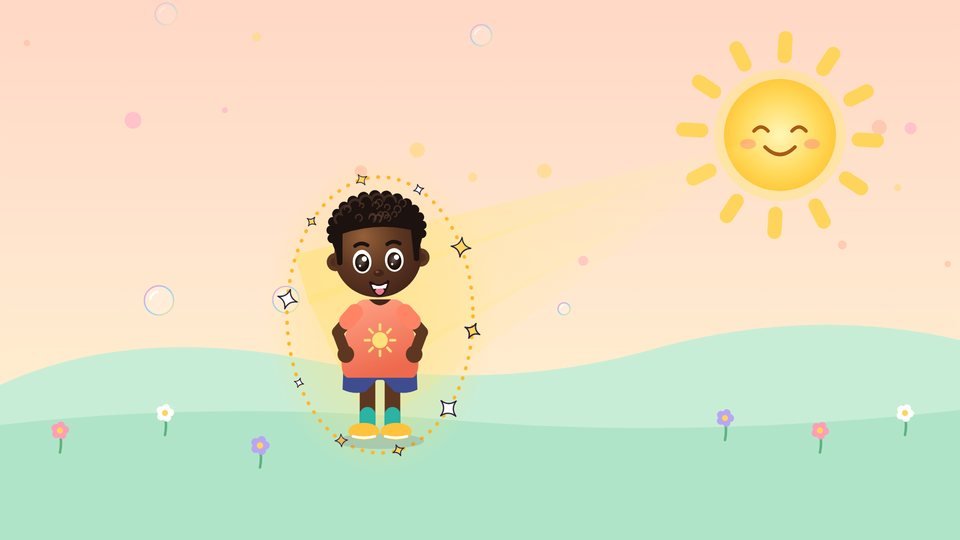
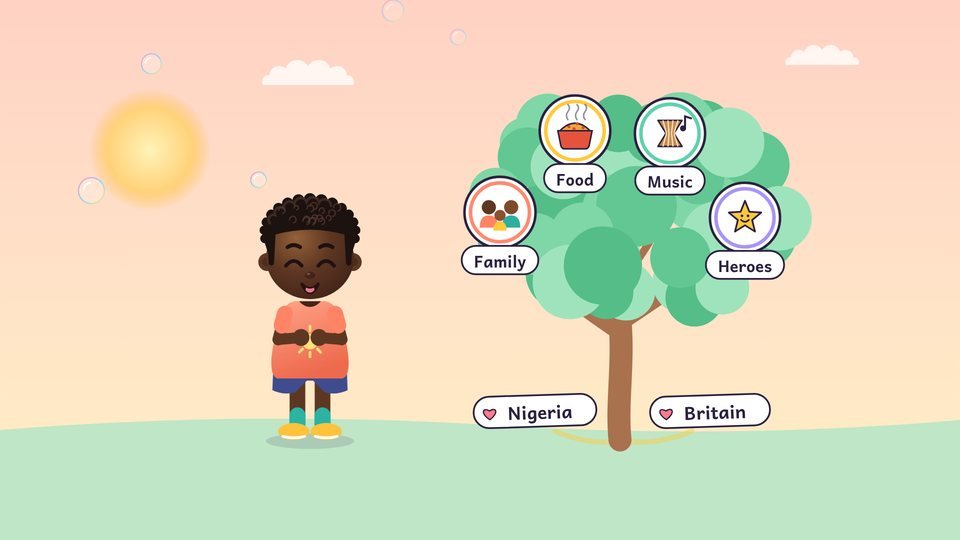
Deep brown skin and a coily high-top. He loves the sun, painting and singing “Brilliant Me”, and he’s proud to be British and Nigerian.
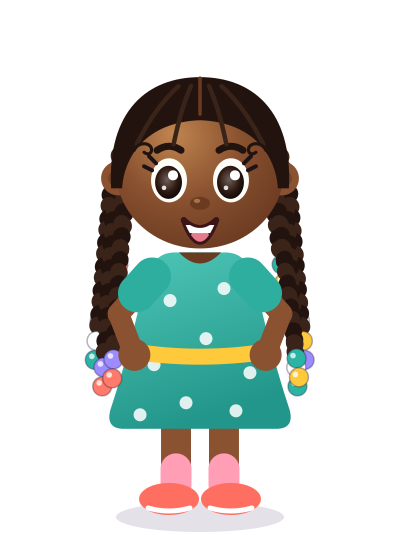
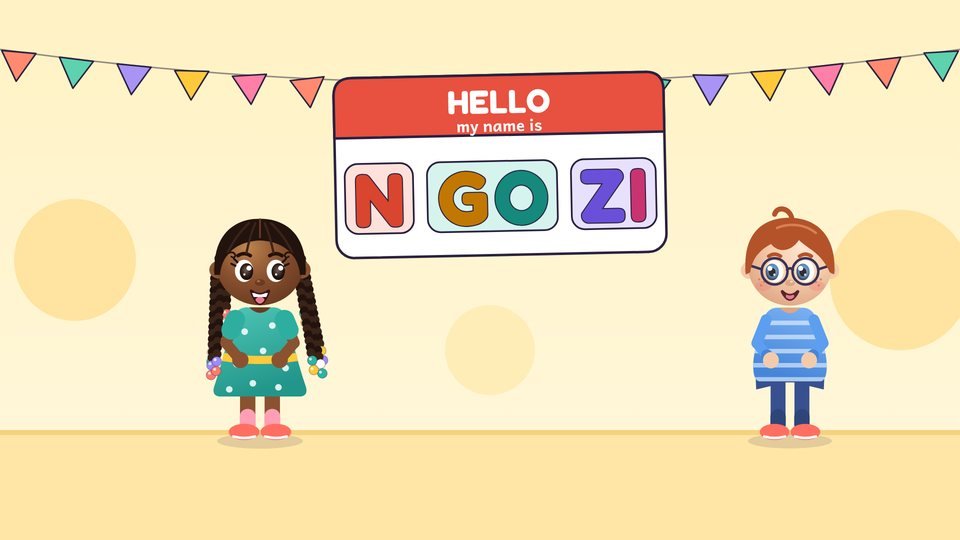
Ngozi
Rich brown skin and beaded braids, and sometimes an afro, bantu knots or locs. Her Igbo name means “blessing”.
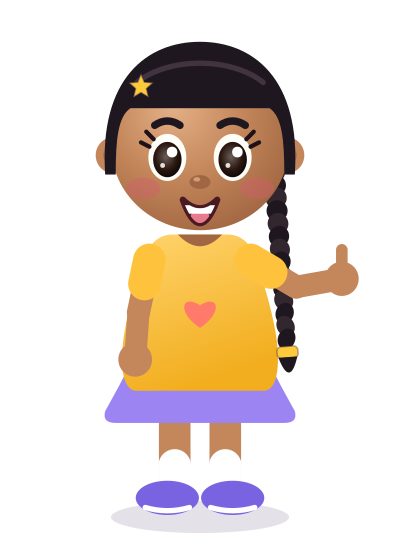
Ramy
Light brown skin, a long plait and a star clip. She always asks first, and she stands with her friends.
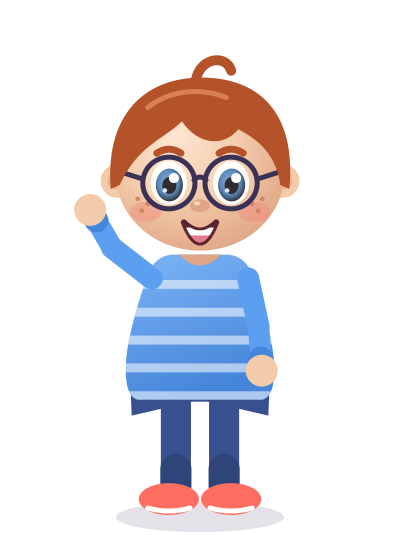
Leo
Peach skin, freckles, red hair and glasses. He’s learning to say every friend’s name the right way.
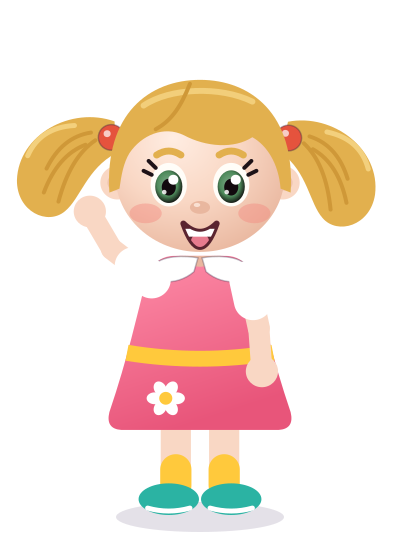
Poppy
Light peach skin, golden bunches and a pink dress. She notices when something isn’t fair, and says so.
Speak up
Brave words
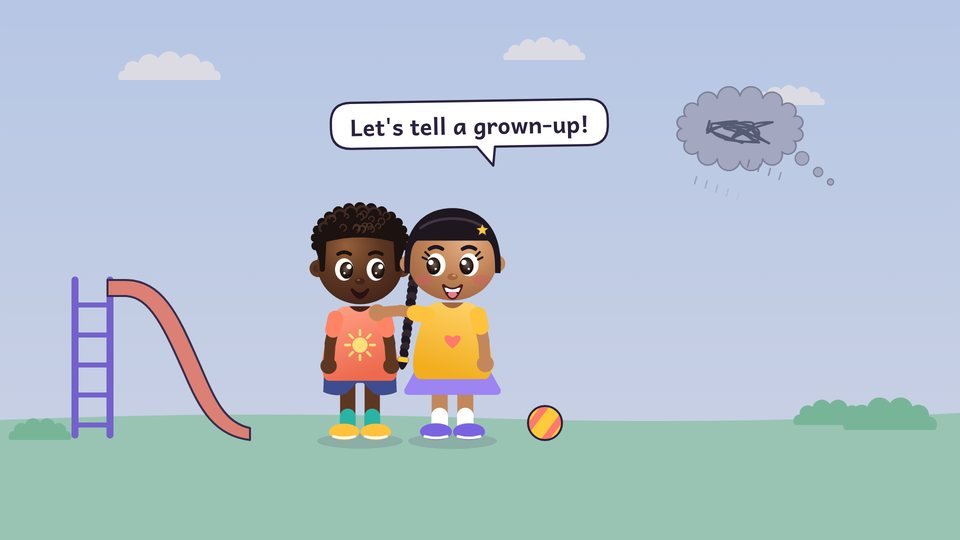
If someone is unkind about their skin, children learn short, strong words they can remember, then tell a grown-up. The words grow as children do.
Ages 3–4
“Stop! That’s not kind. My skin is brilliant!”
Then tell a grown-up you love. If they don’t help, tell another one.
Age 5
“Stop! That’s not kind. My skin is brilliant! I’m telling a grown-up.”
If the first grown-up doesn’t help, tell another one.
Ages 6–7
“Stop! That’s not true, and it’s not kind. Everyone has melanin.”
Then tell a grown-up, and keep telling until someone listens.
Friends speak up too
“That’s not true. White skin isn’t better than Black skin. It’s just a different shade.”
Poppy, in Episode 8: Just a Different Shade
At home
Watch together
Watch with them
Sit together the first time, so you can pause, answer questions and sing along.
Join in
When the screen says “Your turn!”, say or sing the words together. That’s how they stick.
Talk about it
Each episode page has three questions to ask afterwards and two things to try at home.
Name every shade
Notice skin colour out loud, kindly: “Your skin is a beautiful deep brown, like Esiri’s.”
Nurseries and schools
Made to fit what your setting already teaches
Every episode links to the Early Years Foundation Stage or to statutory Relationships Education, with questions and activities ready for circle time.
- EYFS: Development Matters
- Relationships Education
- British values
- Equality Act 2010

About Shades of Brilliant
Shades of Brilliant is made by Ufuoma O., a parent with an MSc in Applied Child Psychology. The series puts Black children at the centre, celebrating their skin, hair, names and heritage, and helps every child learn to be a kind friend who speaks up.
The characters are animated, so the stories can show every shade of skin without using real children’s faces.